Free AI Parent Hour (held in German)
When
Date to be announced
Duration
1 hr
Where
Online
Language
German
Topic
AI & Family
Price
Free
The free AI Parent Hour is for parents who want to understand how their kids can use AI tools like ChatGPT safely and sensibly. It focuses on simple everyday rules: which data should kids never enter? How can AI help with learning without replacing homework? And how do you spot risks like misinformation or manipulated content?
The goal is to give families confidence. No panic, just clear guidance. The session is free, takes place online and is held in German. You don't need to be a tech expert to guide your kids well.
The 10 most important rules for families
Don't enter personal data
Kids should never enter personal information into AI tools. That includes full name, address, school, phone number, email address, passwords, photos, location data or private chats.
Family rule: What you wouldn't tell a stranger on the street doesn't belong in an AI tool either.
Don't share secrets or very private worries
Family problems, illnesses, conflicts, relationship questions, intimate worries or distressing experiences should not be sent unfiltered to ChatGPT or similar tools.
Better: Kids should talk to parents, trusted people, teachers or professional counselling services when it comes to serious personal matters.
AI can be wrong
An AI answer can sound convincing and still be wrong, incomplete or made up. Kids should learn: AI is not a truth machine.
Remember: Just because an answer sounds confident doesn't mean it's correct.
Always check sources
For presentations, homework or important facts, at least one reliable source should be cross-checked. That can be textbooks, official websites, encyclopedias or sources recommended by teachers.
Family rule: AI may help, but important information gets verified.
Don't just copy
AI answers should help kids understand, practise and structure. They should not simply be copied and handed in as their own work.
Better: Kids can ask the AI to explain a topic more simply, give examples or ask questions so they keep thinking for themselves.
Take deepfakes seriously
Images, voices and videos can be manipulated to look deceptively real today. Kids should know: not everything that looks or sounds real actually is.
Family rule: With shocking, embarrassing or very emotional content, stop first, check, and talk to an adult, don't forward it right away.
Stop on strange or scary answers
If an AI is frightening, applies pressure, asks very personal questions or delivers unpleasant content, kids should stop using it immediately.
Better: Take a screenshot, enter nothing more, and talk to an adult about it.
Don't let AI decide alone
On health, money, conflict, relationships, law or safety, AI should never make the final decision. Such topics need people, experience and responsibility.
Remember: AI can offer food for thought, but it shouldn't take important decisions.
Agree on family rules
Parents and kids should clarify together when and what AI may be used for. What matters are simple, clear rules rather than bans without explanation.
Questions for home: When may AI be used? What is AI allowed for? Which topics are off-limits? When does an adult need to read along or help?
Allow curiosity, learn safety
AI doesn't have to be banned outright. Kids need guidance, clear boundaries and the ability to question answers critically.
Goal: Not to make kids afraid of AI, but to learn a safe, conscious and responsible way of using it.
Risky vs. better: 5 everyday situations
1. Personal data
Risky "My name is Anna, I'm 12, I go to XY school and I need help with ..."
Better "I'm a student and I need a simple explanation of this topic, without giving any personal data."
Why it matters: Kids should never feed AI tools their full name, school, home town, phone number, photos or other sensitive information.
2. Homework
Risky "Write the whole essay for me so I can hand it in."
Better "Explain the task in five steps and ask me questions so I can write the text myself."
Why it matters: AI can help with understanding, structuring and learning. It becomes a problem when kids take finished answers unchecked and learn nothing as a result.
3. Friendship or relationship problems
Risky "My friend did ... What should I do?" with real names, screenshots or private details.
Better "What are some general ways to deal with conflict among friends?"
Why it matters: Private conflicts should not be entered into AI tools with real names or personal details. General questions are better.
4. Fact-checking
Risky Taking an AI answer unchecked for a presentation, a talk or homework.
Better "Give me three points I should then verify with reliable sources."
Why it matters: AI can sound convincing even when information is wrong, outdated or incomplete. Kids should learn to always check AI answers critically.
5. Deepfakes and manipulated content
Risky Believing and forwarding an image, video or voice message right away.
Better "How can I tell whether an image, video or voice message has been manipulated?"
Why it matters: Kids and teenagers increasingly encounter manipulated images, voices and videos online. Healthy doubt is an important protection.
3 questions for home and the family agreement
3 questions parents can ask their kids
- Which AI tools are you using right now, and what for?
This tells parents whether AI already plays a role in their child's day-to-day life. - What personal information would you not tell a stranger?
This question helps kids understand which data also needs protecting online. - How do you check whether an AI answer is actually true?
This teaches kids not to take information unchecked.
A short family agreement
- We use AI with curiosity, but carefully.
- We don't enter personal data.
- We verify important answers.
- We don't copy finished solutions.
- We talk to each other when something feels strange, uncomfortable or scary.
Mini-rule for home
Think first, then type.
Check first, then believe.
Understand first, then hand in.
Impressions from comparable events
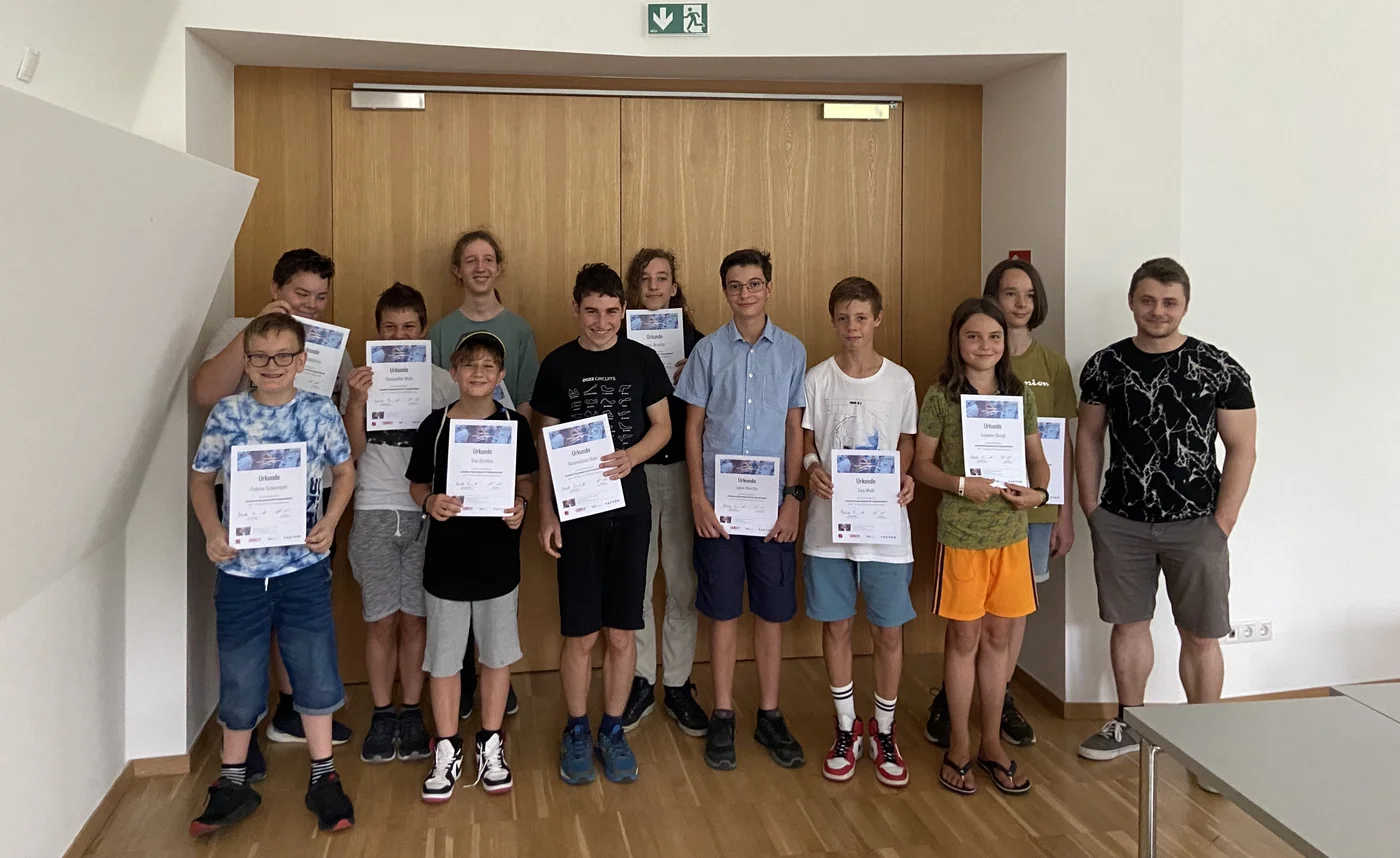
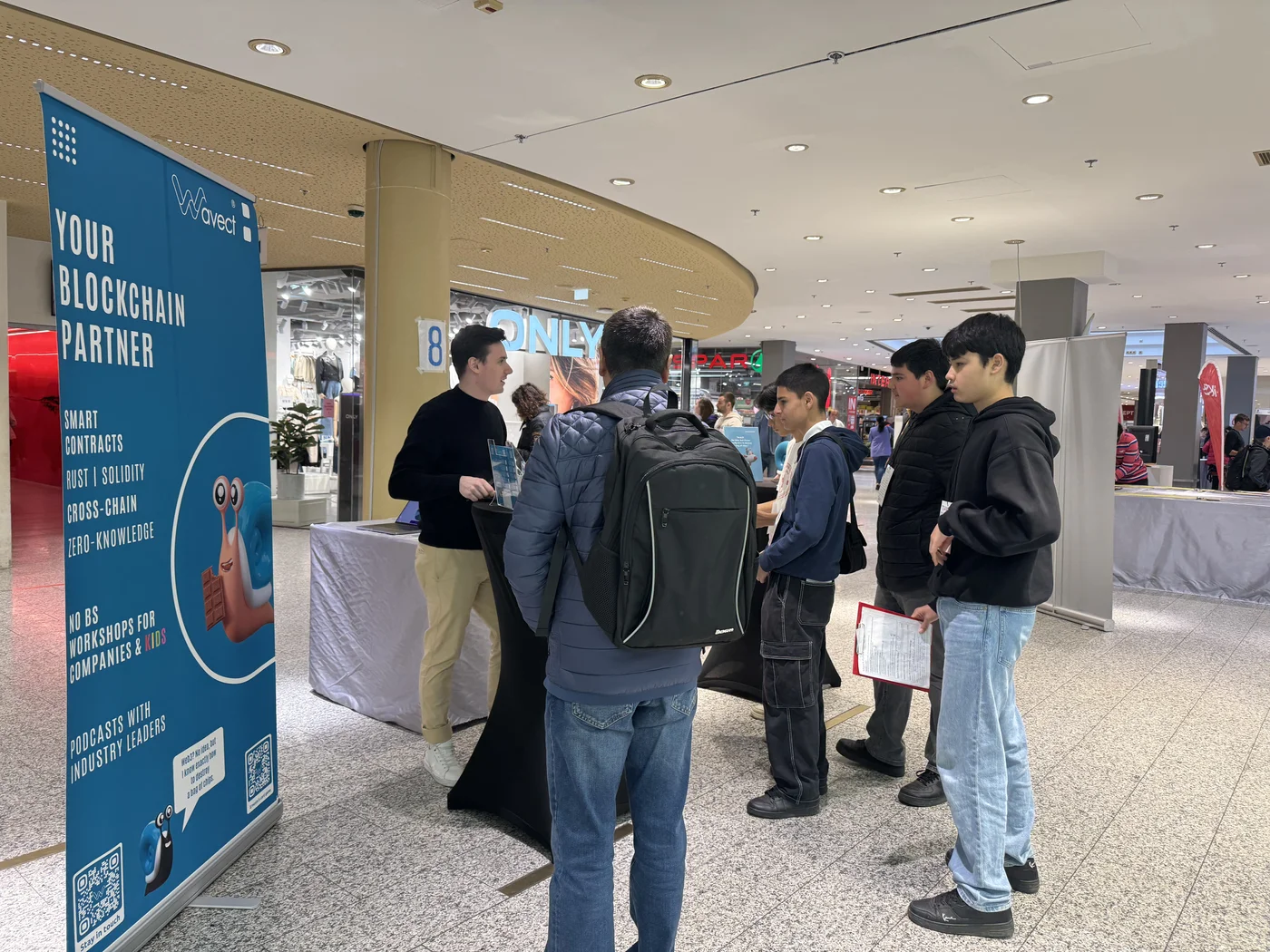
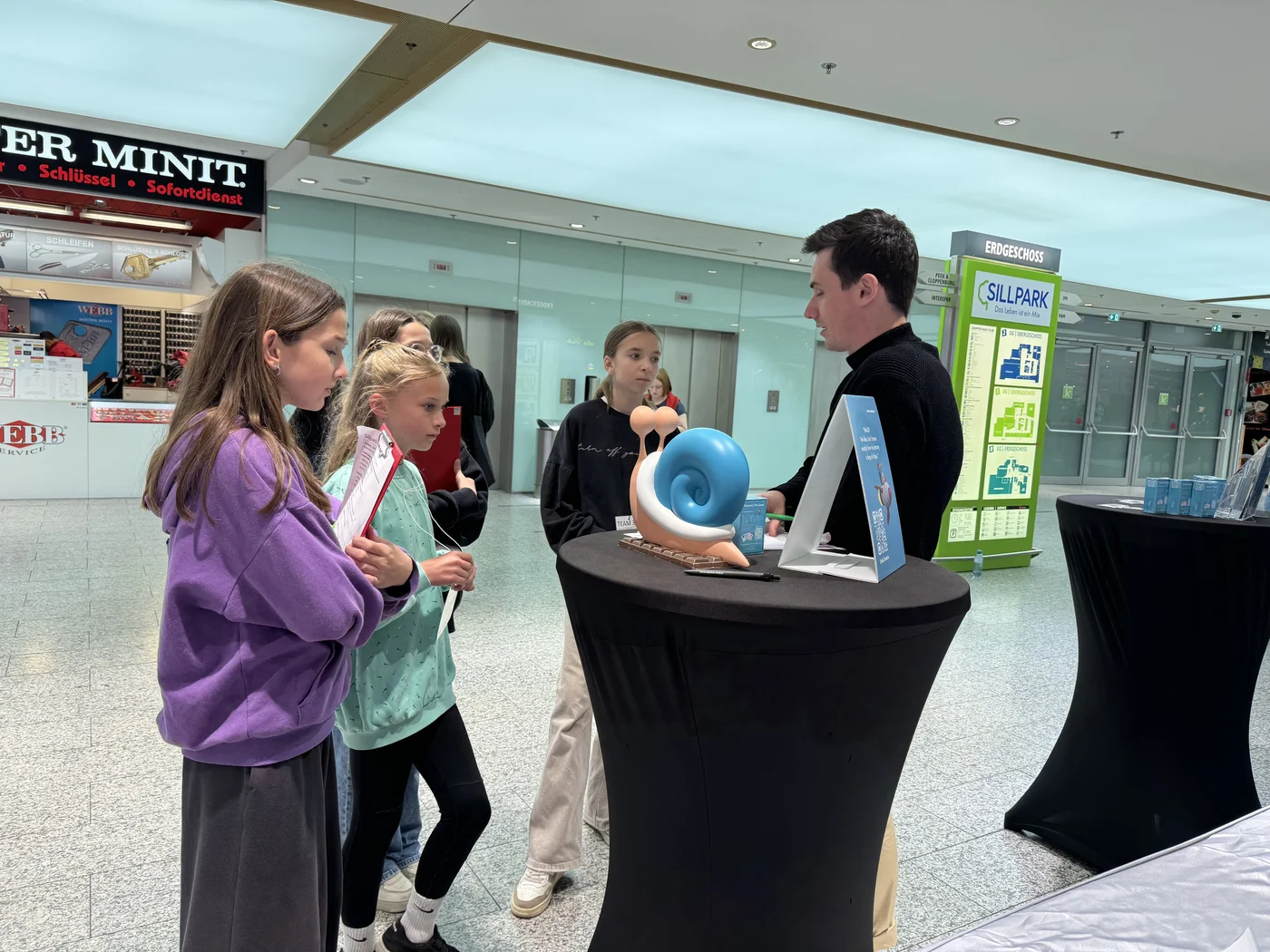
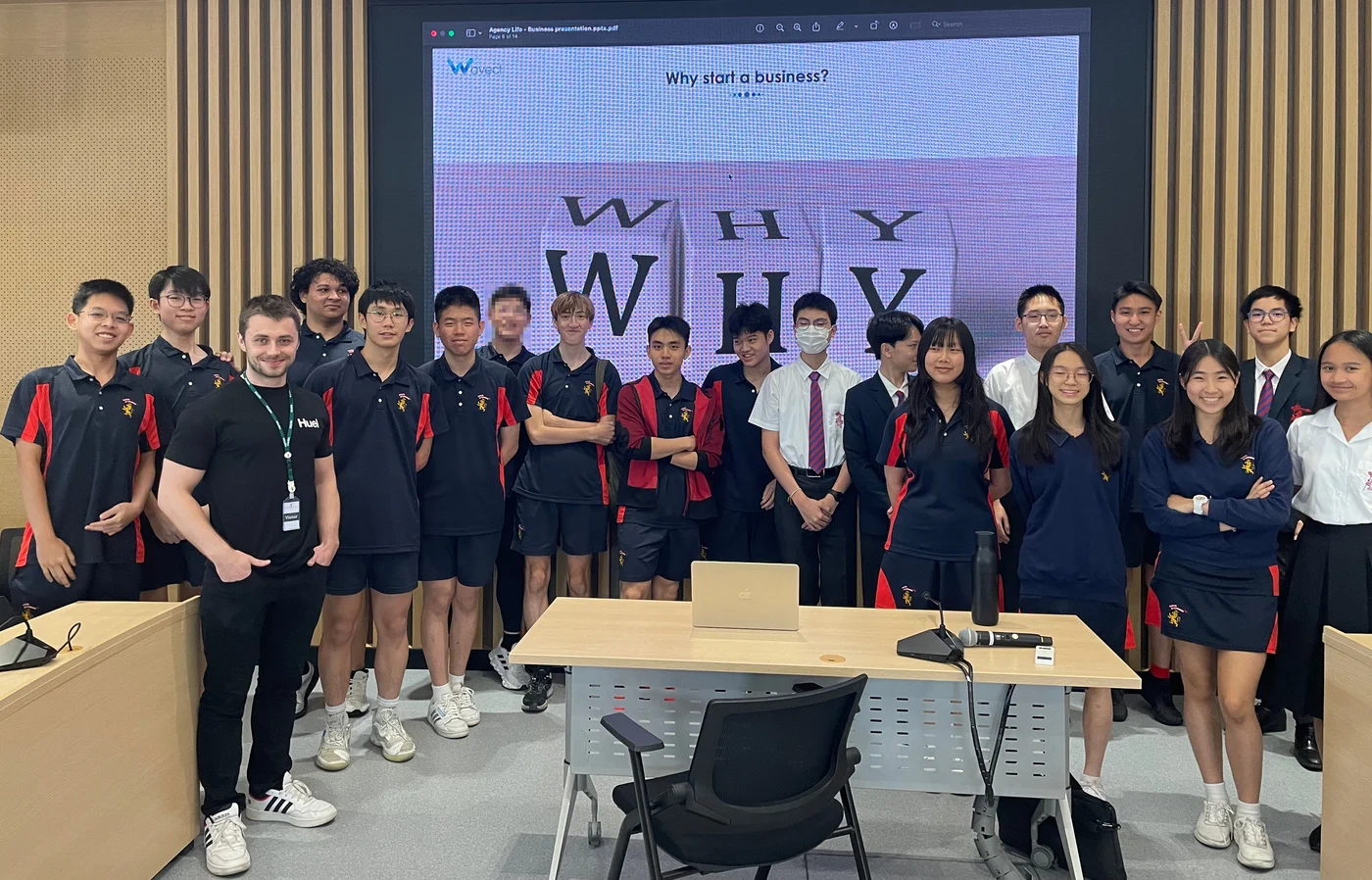
Photos from earlier formats with kids and schools, such as KEM, Coding4Kids and Future Days.