
ZybraMoney
Weekly release gates held through a mid-flight FinTech rebuild. Hundreds of defects closed.
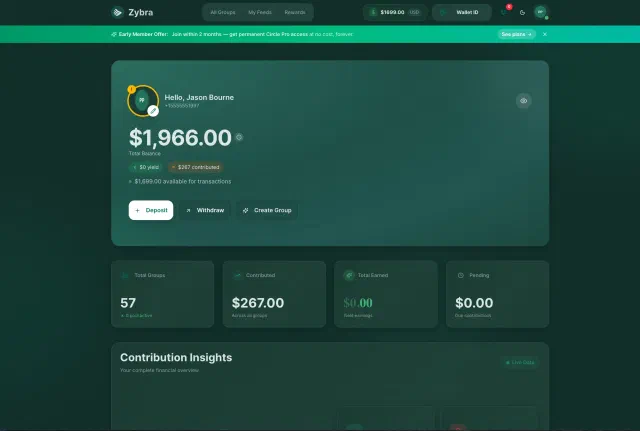
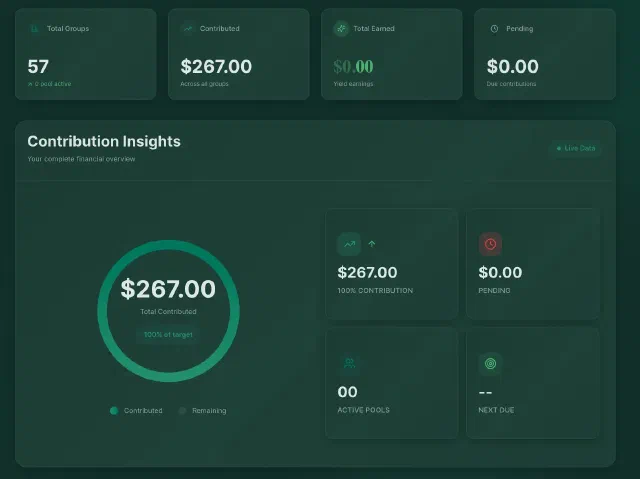
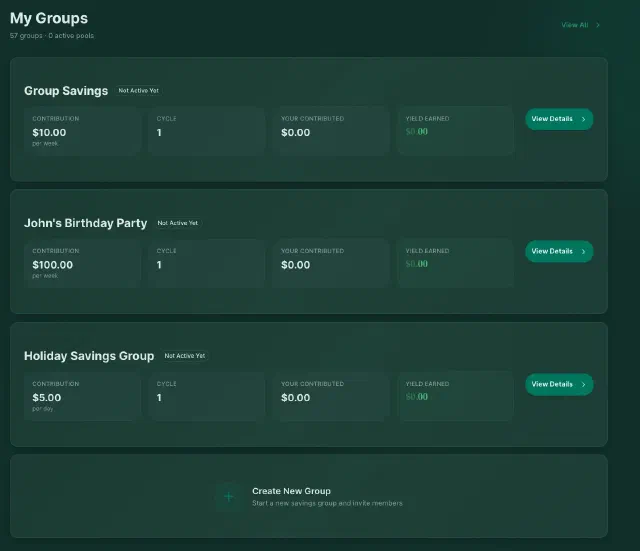
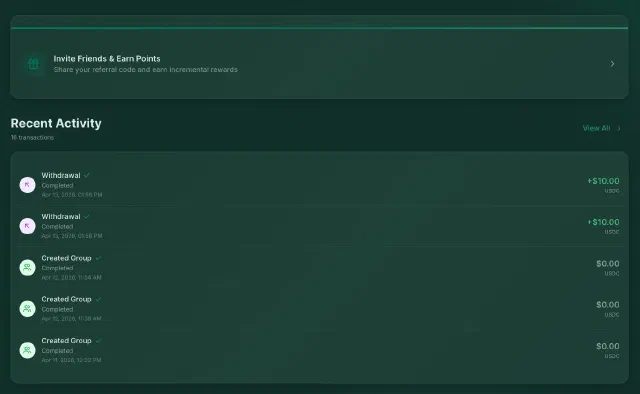
ZybraMoney is an Africa-focused FinTech backend handling group savings (ROSCA flows), wallet-linked journeys, payments, transfers, referrals, and the security and compliance controls financial workflows demand.
“Their engineers combine deep technical expertise with excellent communication and execution.” Dekhani Nsaliwa Clutch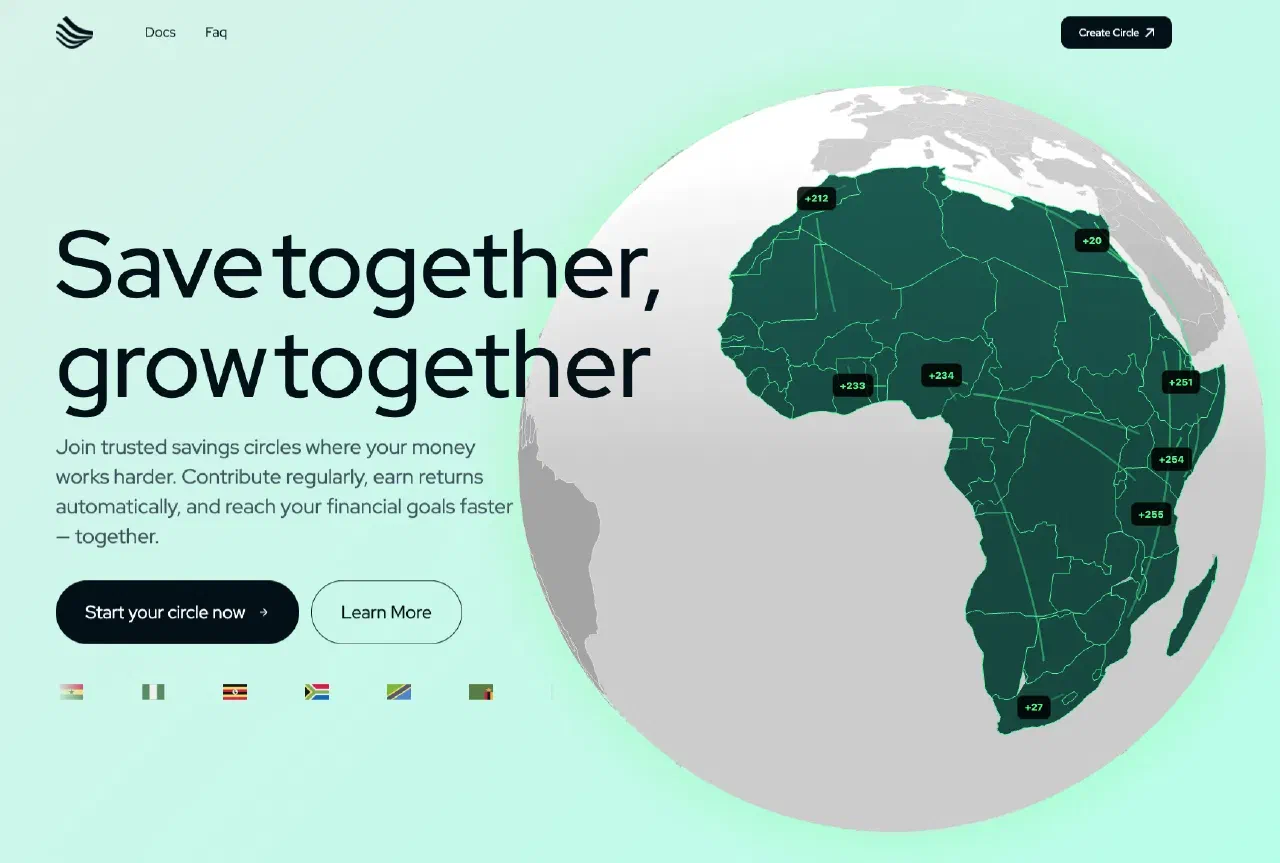
Overview
ZybraMoney is an Africa-focused FinTech backend handling group savings (ROSCA flows), wallet-linked journeys, payments, transfers, referrals, and the security and compliance controls financial workflows demand.
What's the challenge?
We joined mid-modernization. Architecture in flux. Service boundaries getting redrawn. Defect density high. Security and functional issues bleeding into each other across auth, session, and transaction surfaces. QA held release safety weekly while engineering rebuilt the foundations underneath.
The cleanup nobody priced into the rebuild.
Live with real users when we joined. The codebase had been built fast and without test coverage, and support was carrying the result: daily tickets, the same defects resurfacing, in a system that moves money. We didn't restart it. We worked the failure surface week by week, tying every closure to the release gate. Months in, support requests dropped to near zero.
What We Did
Money-moving system, foundations being rebuilt underneath. We tied defect closure to the weekly release gate, not to ticket count, a ‘closed’ bug had to be genuinely closed. Full defect lifecycle ownership: reproduction, triage, fix verification, regression follow-up. Security-remediation validation across auth, session, and transaction surfaces. Cross-team supervision over distributed contributors. Architecture moved weekly. Regressions never compounded.
Outcomes
Client Voice
Their engineers combine deep technical expertise with excellent communication and execution.
What We Learned
Refactor-heavy environments need QA as continuous signal, not a checkpoint. Tying closure quality to weekly release gates kept regressions from compounding while architecture moved. The discipline isn’t in the tools, it’s in the closure criteria.
Questions about this project
What is ZybraMoney?
ZybraMoney is an Africa-focused FinTech backend handling group savings (ROSCA flows), wallet-linked journeys, payments, transfers, referrals, and the security and compliance controls financial workflows demand.
What was the challenge in the ZybraMoney project?
We joined mid-modernization. Architecture in flux. Service boundaries getting redrawn. Defect density high. Security and functional issues bleeding into each other across auth, session, and transaction surfaces. QA held release safety weekly while engineering rebuilt the foundations underneath.
What did Wavect do for ZybraMoney?
Money-moving system, foundations being rebuilt underneath. We tied defect closure to the weekly release gate, not to ticket count, a ‘closed’ bug had to be genuinely closed. Full defect lifecycle ownership: reproduction, triage, fix verification, regression follow-up. Security-remediation validation across auth, session, and transaction surfaces. Cross-team supervision over distributed contributors. Architecture moved weekly. Regressions never compounded.
What were the outcomes of the ZybraMoney project?
- Weekly, Release Gates Held
- Hundreds, Defects Closed
- ~0, Support Tickets After Cleanup
How did Wavect work with ZybraMoney?
Engagement: Software QA. Engagement size: Weekly retainer. Year: 2025.
Which tech stack did Wavect use for ZybraMoney?
Node.js, Typescript, PostgreSQL, Redis, Express.
What did Wavect learn from the ZybraMoney project?
Refactor-heavy environments need QA as continuous signal, not a checkpoint. Tying closure quality to weekly release gates kept regressions from compounding while architecture moved. The discipline isn’t in the tools, it’s in the closure criteria.

Want outcomes like this?
Tell us what you're building. We'll tell you whether we're the right team for it.
Get in touch